
What Causes Airline Disruptions?
Airline disruptions can stem from a variety of factors:
-
Operational Challenges: Crew shortages, aircraft maintenance issues, and logistical glitches can lead to delayed departures or cancellations.
-
Weather Conditions: Turbulence, storms, and other adverse weather often disrupt flight schedules worldwide.
-
Air Traffic Congestion: Increasing passenger traffic leads to overcrowded skies and airports, stretching air traffic control capacity.
-
Regulatory and Political Factors: Regulatory changes, airspace restrictions, or geopolitical tensions sometimes affect flight operations.
-
COVID-19 Aftershocks: Residual staff shortages and changing travel policies continue to create ripple effects on scheduling reliability.
IndiGo’s Disruption Trends
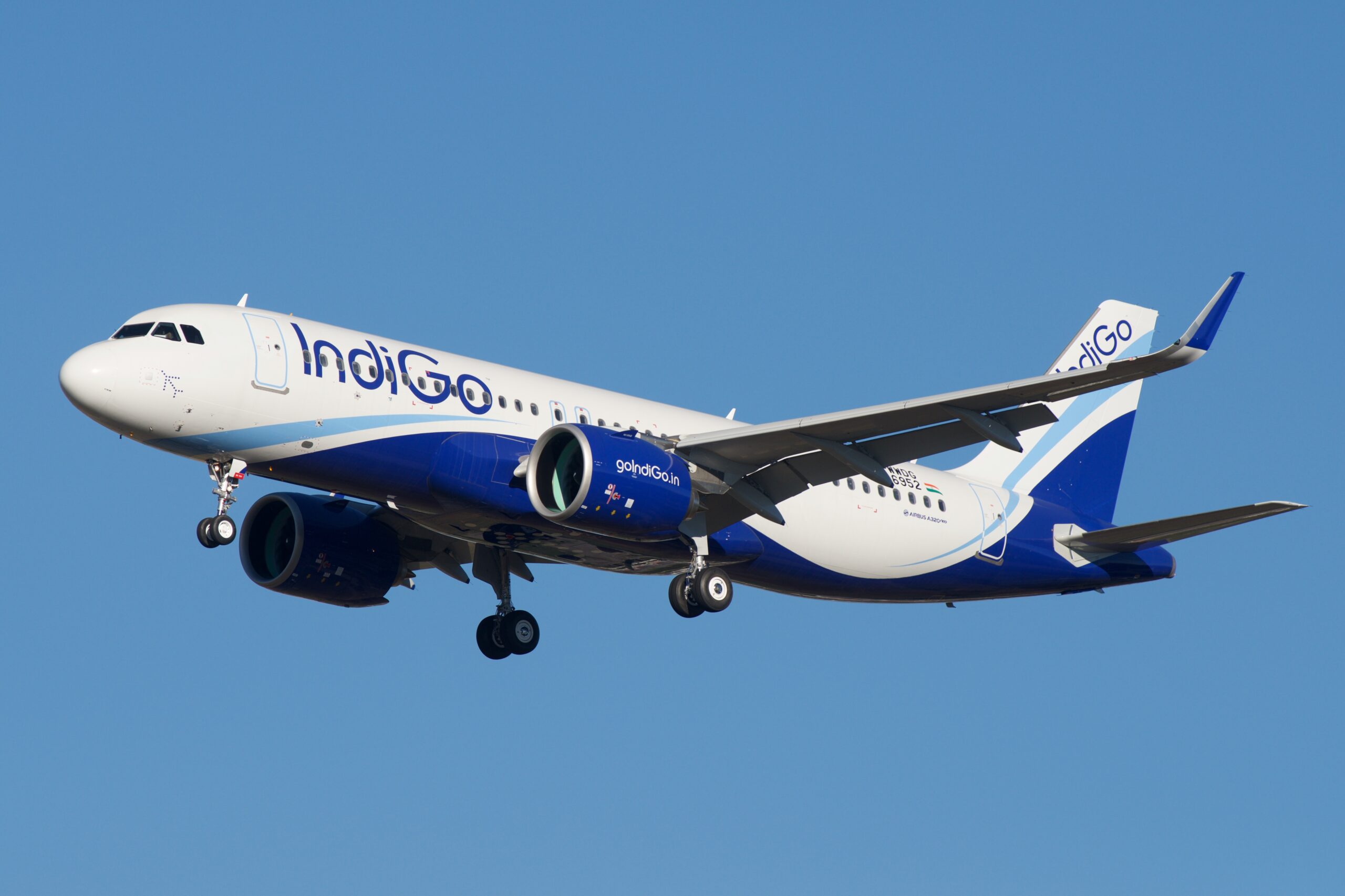
As India’s largest private airline by market share, IndiGo plays a pivotal role in the country’s aviation landscape. Despite its reputation for low-cost efficiency and strong service, IndiGo has experienced operational hiccups leading to increased flight delays and cancellations in the last few years.
Several reasons are notable:
-
Crew and Staff Shortages: The airline reportedly faced crew availability issues due to rapid expansion and a return surge in travel demand, exacerbated by hiring challenges during the pandemic.
-
Fleet Expansion vs. Infrastructure: IndiGo aggressively expanded its fleet, but airport congestion and regulatory bottlenecks sometimes made smooth operations difficult.
-
Rising Fuel Costs: Increasing jet fuel prices have put pressure on cost controls, influencing flight scheduling and sometimes leading to route cuts.
-
Technical Delays: Despite maintaining a modern and young fleet, occasional maintenance and technical issues can cause knock-on delays.
Impact on Passengers and Industry
These disruptions impact passengers in several key ways:
-
Increased travel frustration and unpredictable schedules affect business and leisure plans.
-
Financial consequences arise from missed connections, added accommodation costs, or lost productivity.
-
Customer trust and brand loyalty can erode if disruptions become frequent or poorly managed.
For the airline industry, disruptions translate to higher operational costs, regulatory scrutiny, and potential loss of market share to competitors or alternate transport modes.
IndiGo’s Response and Future Outlook
IndiGo has taken steps to mitigate disruptions:
-
Streamlining crew scheduling and increasing recruitment to tackle manpower shortages.
-
Investing in digital tools for better operational visibility and proactive disruption management.
-
Collaborating with airports and regulators to ease congestion through slot management and infrastructure upgrades.
-
Offering customer service improvements, such as timely communication and flexible booking options.
Looking ahead, continued growth in India’s air passenger volumes is expected, supported by rising middle-class incomes and government initiatives to boost connectivity. IndiGo’s ability to manage disruptions effectively will be crucial to maintaining its dominant position.
Tips for Travelers Facing Airline Disruptions
-
Stay informed: Use airline apps and official sources for real-time flight updates.
-
Plan buffer time: Build extra time into itineraries to absorb delays or missed connections.
-
Know your rights: Understand passenger compensation and refund policies.
-
Be flexible: Consider alternative flights or routes when disruptions occur.
-
Travel insurance: Protect yourself with a policy that covers delays and cancellations.