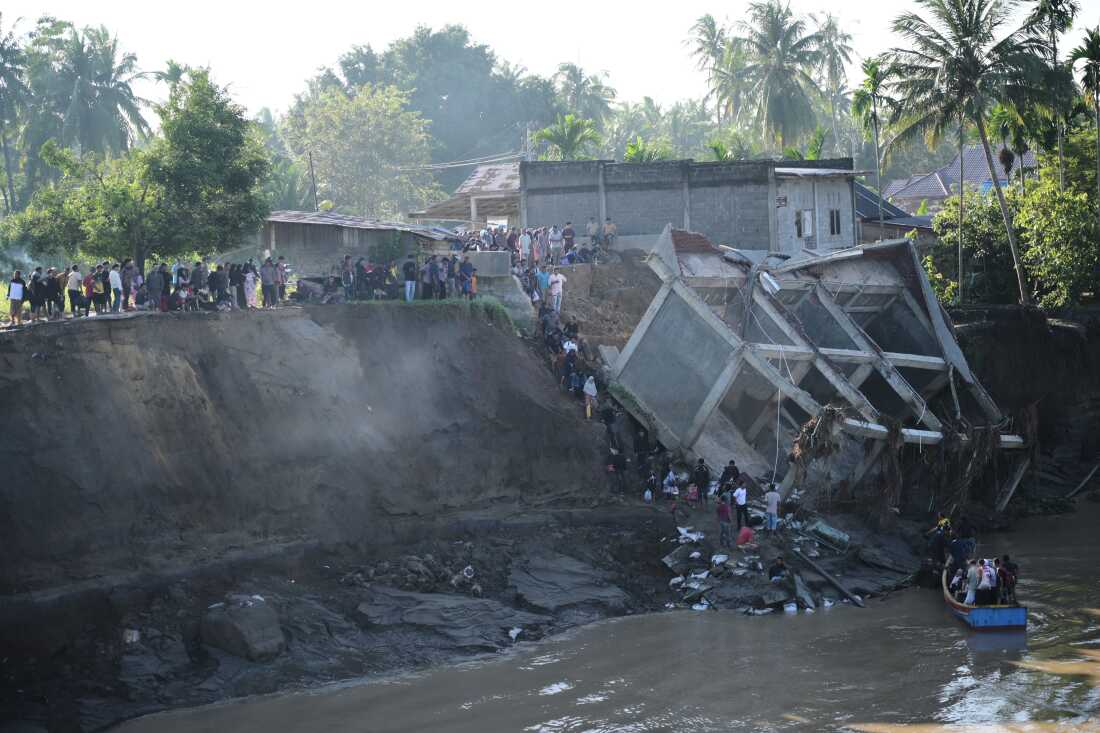

Indonesia grapples with one of its worst natural disasters in recent history as floods and landslides triggered by relentless monsoon rains claimed at least 708 lives across Sumatra by December 2, 2025, with over 500 missing and 2,600 injured. Affecting 3.2 million people primarily in North Sumatra, West Sumatra, and Aceh provinces, the crisis has displaced around 578,000 to 1 million individuals, marking a humanitarian emergency amid damaged infrastructure and isolated communities. President Prabowo Subianto toured devastated areas, declaring national support as rescue operations face blocked roads, power outages, and looting incidents.
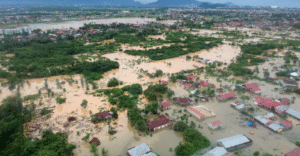
Devastation Across Provinces
Intense rainfall from November 22-25 unleashed flash floods and mudslides in 37 districts, hitting North Sumatra hardest with 217 fatalities and 209 missing, especially in Tapanuli, South Tapanuli, and Sibolga. In Aceh, 96 deaths, 75 missing, and 239,267 displaced across 18 sites like North Aceh and Bener Meriah, where 31 roads and 24 bridges collapsed, stranding areas like Gay Lues. West Sumatra recorded 129 deaths, mainly in Agam Regency, displacing 77,918 from Padang and South Regency, with national routes severed and fuel shortages exacerbating the chaos.
Landslides buried homes under timber logs turned into deadly battering rams by floodwaters, while collapsed bridges isolated villages, hindering aid delivery. Reports highlight 17,954 IDPs in North Sumatra's six centers and food crises from Bulog warehouse looting in Central Tapanuli, prompting TNI and police deployments for security. BMKG forecasts peak rainy season through December into early 2026, with thunderstorms, winds, and whirlwinds threatening Java, signaling prolonged risks.
Humanitarian and Economic Toll
The BNPB reports 335,139 affected overall, with 638 injured, but IFRC estimates swell to 1.5 million impacted, underscoring data challenges from ruined transport links. Economic fallout cripples agriculture, halting harvests in flood zones, while power and telecom disruptions compound vulnerabilities for remote farmers and fisherfolk. UNICEF notes unreachable areas like Pidie Jaya in Aceh, where local leaders appealed for central government takeover due to overwhelmed capacities.
Looting of minimarkets signals desperation amid aid delays, with Home Affairs Minister admitting needs for better rapid-onset disaster preparedness. Globally, this joins regional tragedies: 410 Sri Lankan deaths from Cyclone Ditwah, 181 in Thailand, and 3 in Malaysia, pushing Asia's toll over 1,300 and highlighting monsoon fury.
Government and International Response
President Subianto's Aceh visit reinforced leadership, with BNPB compiling real-time data via https://bnp.go.id/ANSORSUMATERA2025/ for transparency. National Disaster Agency (BNPB) coordinates evacuations at 62,000 households in Aceh alone, prioritizing food, shelter, and medical aid despite access woes. IFRC and OCHA activate platforms like Indonesia Humanitarian Coordination Platform (IHCP) for situation reports, urging fuel and fund infusions as regions run low.
UN agencies call for early warning investments and resilient infrastructure, drawing parallels to Sri Lanka's cyclone lessons. International pledges target 576,000 evacuees, with ASEAN networks like ADINET aiding cross-border monitoring. Local BPBDs battle data gaps, but TNI-led searches persist amid optimism for survivor rescues.
Climate Context and Future Risks
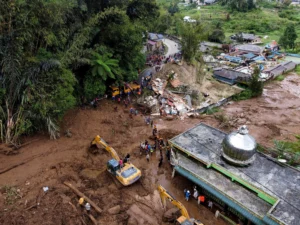
These events stem from climate-amplified monsoons, with BMKG predicting intensified patterns through 2026, raising alarms for Sumatra's vulnerable slopes and coastal zones. Deforestation and illegal logging worsened landslides, turning logs into flood projectiles, as seen in Sumatra's timber-rich hills. Experts link this to broader Asia trends, where warming oceans fuel cyclones like Ditwah, demanding regional pacts for adaptation.
Long-term, Indonesia eyes national emergency expansions beyond COVID precedents, focusing on rebuilding 11,820 households and restoring bridges. Authorities warn of active landslide risks in central regions despite easing rains, advising masks, indoor stays, and protected electronics for ash-like debris flows.
Lessons for Resilience and Prevention
This catastrophe exposes gaps in disaster management: three districts in Aceh overwhelmed, signaling needs for centralized rapid response. Investments in satellite monitoring, community drills, and eco-restoration could mitigate future peaks, as BNPB pushes regulatory tweaks. Globally, it spotlights South Asian solidarity, mirroring India's Operation Sagar Bandhu for Sri Lanka.
For vulnerable nations, scalable blueprints emerge: stockpile non-perishables, waterproof documents, and elevate homes, per relief checklists. As recovery unfolds, Sumatra's story urges climate action, blending tech like AI flood models with policy for a safer 2026.
Blogging and Engagement Tips
Tailor for 1200+ words with SEO keywords: "Indonesia floods Sumatra 2025 death toll," "Aceh landslides December," "monsoon disaster relief." Pair with 1200x800 images of rescue ops or submerged villages for Facebook boosts, targeting news, travel warners, and climate enthusiasts—ideal for viral shares amid Asia trends. Add CTAs: donate via BNPB/IFRC links, share prep tips, driving engagement on current events pages.